
Pests
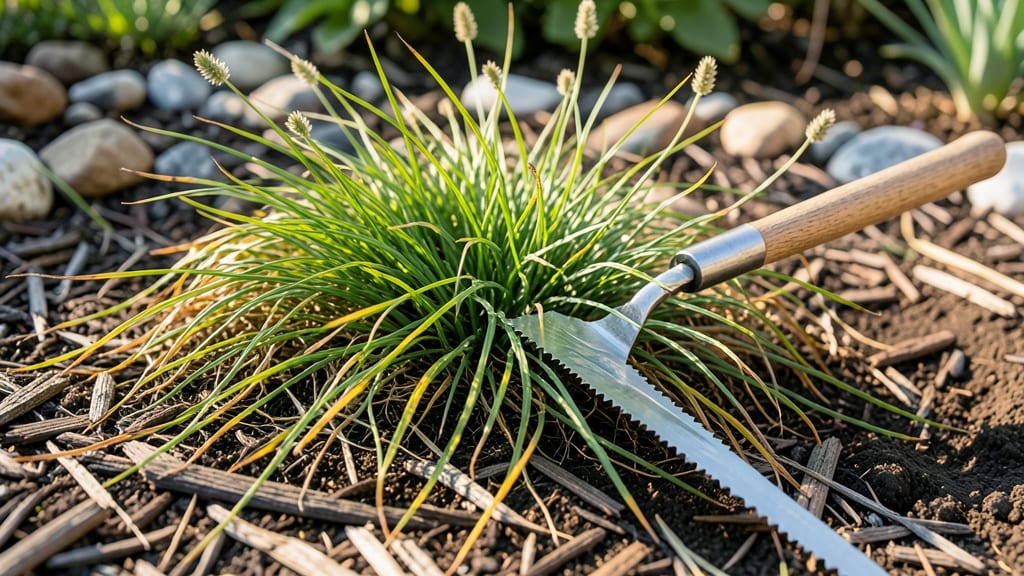
Bermuda grass infestation turns your lawn into an unruly jungle overnight—thick, wiry, and impossible to mow. 🌱 I’ve battled it in my own yard, and the key isn’t just killing what’s there but stopping what’s coming back.
This isn’t a quick fix; it’s a strategy to reclaim your grass, garden beds, and sanity. The problem starts with those stubborn rhizomes—underground stems that spread like kudzu. Even a single patch left unchecked can take over in weeks, choking out your desired plants.
The good news? With the right approach—herbicides, smothering, and persistence—you can win. I’ve tested everything from vinegar sprays to pre-emergent barriers, and I’ll share what actually works. By the end, you’ll have a plan to starve out Bermuda’s roots, block regrowth, and protect your lawn’s future.
It’s not pretty, but it’s worth it for that soft, manageable turf you’re dreaming of. Let’s get started—your yard’s survival depends on it.
First, you’ll need to identify the infestation’s weak spots—those thin areas where Bermuda’s creeping stems are most vulnerable. A sharp rake or hoe can expose the rhizomes, making them easier to target.
For chemical control, pre-emergent herbicides applied in early spring (before Bermuda sprouts) are your best bet, but timing is everything—miss it, and you’re fighting a losing battle. Natural methods like corn gluten meal (as a pre-emergent) or smothering with thick mulch work too, but they require patience.
Bermuda’s resilience means you’ll need to repeat treatments—sometimes for years—until the soil’s memory of those invasive roots fades. Think of it like weeding a dandelion patch: one pull isn’t enough.
The real secret? Combining methods. Start with a post-emergent herbicide (like glyphosate) to kill existing growth, then apply a pre-emergent in fall to block new shoots. Add a layer of cardboard or landscape fabric in garden beds to starve out any sneaky rhizomes trying to escape.
It’s tedious, but within 2-3 seasons, you’ll see real progress. Don’t give up after the first try—Bermuda grass is a marathon, not a sprint. With consistency, your lawn will go from a battleground to a peaceful, manageable space.
And trust me, the first time you mow without wrestling with tangled clumps? That’s the payoff.
Root Causes Of Overrun Grass
Bermuda grass may look like the perfect lawn companion, but when it spreads unchecked, it can quickly turn into a tenacious invader. Understanding why it takes over is the first step to reclaiming your yard.
Below, we break down the key reasons—from environmental factors to human habits—that fuel Bermuda grass infestations.
Bermuda grass isn’t just any grass—it’s a warm-season powerhouse designed to dominate. Its rapid spread comes from two key traits:
- Stolons and Rhizomes: Unlike slow-spreading grasses, Bermuda grass spreads via stolons (above-ground runners) and rhizomes (underground stems). These can grow up to 12 inches per week under ideal conditions, smothering weaker plants and filling bare spots instantly.
- Deep Root System: Bermuda roots can penetrate 6+ feet deep, accessing water and nutrients that shallow-rooted grasses can’t reach. This resilience lets it outcompete other plants during droughts or poor soil conditions.
Why it matters: If your lawn has thin or dying patches, Bermuda grass will seize the opportunity like a vacuum, filling gaps before other grasses can recover.
Bermuda grass thrives in hot, sunny climates (USDA Zones 7–10), but even in cooler regions, it can stage a comeback if conditions align. Here’s how weather plays a role:
| Factor | How It Fuels Spread |
|---|---|
| 🔥 Heat & Drought | Bermuda grass goes dormant in winter but rebounds aggressively when temperatures rise above 60°F. Drought-stressed lawns become prime real estate for its rapid regrowth. |
| 🌧️ Irregular Watering | Deep, infrequent watering (like Bermuda’s natural preference) encourages rhizome expansion. Overwatering, however, can weaken other grasses, giving Bermuda an edge. |
| ❄️ Mild Winters | In cooler climates, Bermuda may not die back completely, leaving hidden rhizomes to resprout early. Even a single surviving node can regenerate an entire patch. |
Pro tip: 🌡️ If your area has fewer than 150 frost-free days, Bermuda grass may struggle—but don’t count on it. Some varieties (like ‘Tifway’) are bred for cold tolerance.
Even the hardiest grass can’t resist Bermuda if you’re not proactively managing your lawn. Common mistakes that invite infestations:
- Neglecting Mowing Height: Cutting Bermuda too short (below 1 inch) stresses the plant but doesn’t stop its spread. Instead, it stimulates stolon growth as the grass scrambles to recover.
- Skipping Overseeding: Cool-season grasses (like fescue) need competitive density to block Bermuda. If you overseed in fall but don’t fertilize or water properly, Bermuda will fill the gaps.
- Improper Soil Care: Compacted, nutrient-poor soil weakens desirable grasses, while Bermuda thrives in poor conditions. A soil test can reveal if low nitrogen or pH imbalances are giving Bermuda an advantage.
- Ignoring Bare Spots: A single 1-square-foot gap can become a Bermuda stronghold in weeks. Weeds or exposed soil create the perfect entry point.
Actionable fix: 🔥 Mow high (1.5–2.5 inches), aerate compacted soil, and apply pre-emergent herbicides in early spring to disrupt Bermuda’s cycle.
Bermuda grass doesn’t just spread on its own—it exploits opportunities left unchecked by homeowners. Without intervention, it can:
- Invade Sidewalks & Driveways: Stolons can grow through cracks in concrete, creating new launch points for your lawn.
- Hitchhike on Equipment: Mower blades, rakes, and shoes can transport rhizome fragments to new areas, turning small patches into widespread infestations.
- Outcompete Herbicide Treatments: If you’re using non-selective herbicides (like glyphosate) but miss spots, Bermuda will fill the void faster than other grasses can recover.
Prevention tip: ✨ Sanitize tools with bleach after use, seal driveway cracks, and apply post-emergent herbicides in late summer when Bermuda is actively growing but other grasses are dormant.
How to Fix Stubborn Bermuda Grass
Bermuda grass may be hardy, but that doesn’t mean it’s invincible. Whether it’s creeping into your lawn, crowding out flowers, or taking over garden beds, targeted action can reclaim your space.
Below, we break down the most effective solutions—cause by cause—so you can tackle the problem like a pro. Plus, we’ll share prevention tips to keep Bermuda grass from staging a comeback.
If Bermuda grass is dominating your lawn and choking out other grass types (like cool-season grasses), the fix starts with competition. Bermuda thrives in heat and outcompetes weaker grasses, but you can outsmart it.
🔥 Step 1: Adjust Mowing for Weakness
Bermuda grass grows aggressively when mowed too short. Raise your mower blade to 3–4 inches to weaken its growth and give other grasses a fighting chance. Pro tip: Mow high and infrequently—this shades the soil, slowing Bermuda’s spread.
🍳 Step 2: Overseed with Tough Competition
Plant tall fescue, perennial ryegrass, or buffalo grass in late summer or early fall when Bermuda is dormant. These grasses thrive in cooler weather and can outcompete Bermuda over time.
👨🍳 Step 3: Solarize for a Heat Shock
For severe infestations, solarization (covering the area with clear plastic for 4–6 weeks in peak summer heat) can kill Bermuda grass roots. Just be patient—this method works best in hot, sunny climates.
✨ Prevention Tip:
Test your soil and adjust pH to favor your desired grass. Bermuda loves acidic to neutral soil (pH 6.0–7.5), while fescue prefers slightly acidic (pH 6.0–7.0). A simple lime or sulfur application can tip the scales in your favor.
Bermuda grass doesn’t just stop at the lawn—it invades flower beds, vegetable patches, and even sidewalks. Manual removal and herbicides are your best tools here.
🔪 Step 1: Hand-Pull or Dig Out Roots
For small patches, dig out Bermuda grass by hand—but get the roots. Bermuda’s rhizomes (underground stems) can regrow if even a sliver remains. Wear gloves and check for regrowth every few weeks.
💡 Step 2: Apply Pre-Emergent Herbicide
Use a pre-emergent herbicide (like prodiamine or pendimethalin) in early spring before Bermuda germinates. This blocks new growth but won’t kill existing plants—so combine it with manual removal for best results.
🌡️ Step 3: Spot-Treat with Post-Emergent Herbicide
For established Bermuda, a glyphosate-based herbicide (like Roundup) works well. Apply on a warm, dry day and avoid overspraying desired plants. Safety tip: Wait until Bermuda is actively growing (spring or fall) for maximum effectiveness.
🎯 Prevention Tip:
Install edging barriers (like metal or plastic) between your lawn and garden beds to block Bermuda’s rhizomes. Mulch heavily in garden areas to suppress regrowth.
Bermuda grass sneaking into cracks? It’s time for a non-toxic or chemical solution, depending on your tolerance for harsh methods.
🍎 Step 1: Try Vinegar for Small Areas
A 20% acetic acid vinegar solution (or full-strength white vinegar) can kill Bermuda grass in sidewalks or driveways. Spray directly on the grass, avoiding nearby plants, and repeat every few days until it dies. Note: This won’t remove roots—dig out any remaining pieces.
🔥 Step 2: Flame Weeding for Stubborn Patches
For larger areas, a propane torch can singe Bermuda grass without chemicals. Pass the flame over the grass until it turns brown, then pull out the dead material. Caution: Only do this on a wind-free day and avoid flammable materials.
💡 Prevention Tip:
Seal cracks in concrete with polyurethane caulk to prevent Bermuda grass from taking root. For gravel or mulched areas, apply a pre-emergent herbicide annually in early spring.
Bermuda grass is persistent, but consistency is key. Here’s how to keep it from making a comeback:
- 📅 Mow regularly (never below 2 inches) to weaken its growth.
- 💧 Water deeply but infrequently—Bermuda thrives on frequent, shallow watering.
- 🌱 Overseed bare spots in fall to strengthen your lawn’s defenses.
- 🔍 Monitor and treat new sprouts within 48 hours of appearance.
With the right approach, you can outsmart Bermuda grass and restore your lawn or garden to its former glory. Start with one method, track progress, and adjust as needed—your green space will thank you!
Frequently asked questions
How do I know if I have Bermuda grass or another type of grass?
Bermuda grass has a bright green, wiry texture and spreads via stolons (above-ground runners) and rhizomes (underground stems). Look for knee-high growth in summer and dormancy in winter (turning brown). Unlike cool-season grasses, it recover quickly after mowing and often invades cracks in driveways or sidewalks.
What’s the fastest way to kill Bermuda grass in my lawn?
For immediate results, use a glyphosate-based herbicide (like Roundup) on a warm, dry day when Bermuda is actively growing. Apply directly to the grass, then reseed with competitive grasses (like tall fescue) to prevent regrowth. For organic methods, solarization (covering with clear plastic for 4–6 weeks in summer) works but requires patience.
Why does Bermuda grass keep coming back even after herbicide treatment?
Bermuda’s rhizomes and stolons can survive deep underground or in hidden cracks. Even small fragments left behind will regrow. To break the cycle, combine herbicide with manual removal (digging out roots) and apply pre-emergent herbicides in early spring to block new sprouts. Consistency is key—expect 2–3 seasons of treatment for full eradication.
Can I use vinegar to kill Bermuda grass in my driveway cracks?
Yes, but it’s not a standalone solution. A 20% acetic acid vinegar solution (or full-strength white vinegar) will kill the above-ground grass, but you’ll need to dig out remaining roots or use a propane torch for stubborn patches. Seal cracks afterward with polyurethane caulk to prevent regrowth. Avoid overspraying nearby plants—vinegar is non-selective.
How can I stop Bermuda grass from spreading to my garden beds?
Install physical barriers (like metal or plastic edging) between your lawn and garden beds. Apply a pre-emergent herbicide in early spring, then mulch heavily (3–4 inches) to smother any stray rhizomes. For existing infestations, hand-pull or flame-weed the grass and monitor for new sprouts weekly.